
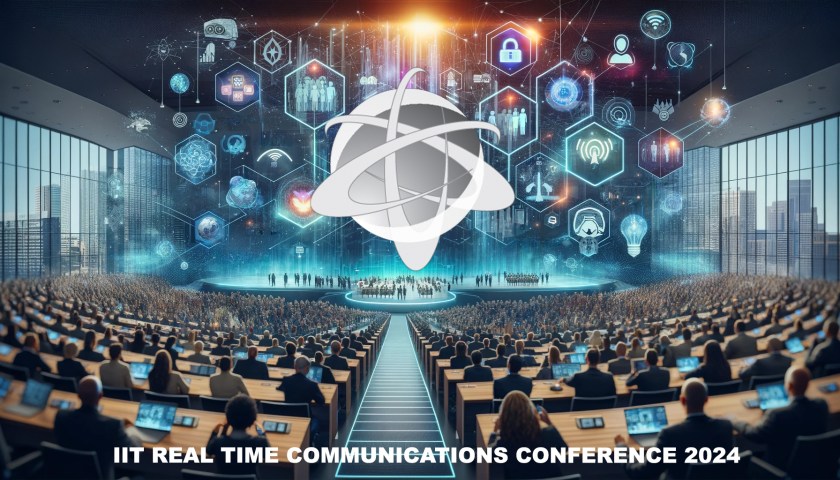
As a 2010 and 2011 speaker and the NG911 Communications track chair since 2012 of the Illinois Institute of Technology Real-Time Communications (RTC) Conference, I’ve had the unique privilege of witnessing and contributing to this fantastic event on emergency communication technologies.
Over the years, this elite conference, led by Professor Carol Davids, and her team has become a think tank of Real-Time Communications (RTC) innovation, particularly in the evolution of Next Generation 911 (NG911). It’s been a niche but mainstay event where experts, policymakers, and technologists faithfully gather annually in Chicago to share insights, challenges, and breakthroughs in the corners of this developing field.
Reflecting on my journey and looking ahead to the future, I’m once again honored and excited to share my experiences and the transformative impact of this event on NG911 and public safety as I chair this event for the 12th year.
More Than a Decade of NG911 Innovation
The push towards NG911 has been a monumental transition in emergency services, moving from the legacy systems of the past to the advanced, data-driven frameworks of the future. I was first introduced to this conference as a speaker on this track in 2010. In 2011, my session introduced the concept of Over-the-Top NG911, setting the stage for a new era of thinking about delivering NG911 additional data today before the NG911 ESINet network was built. My approach introduced using an Over-the-Top connection to merge associated multimedia information into the emergency call stream, marking a significant advancement in how first responders receive and process emergency calls.
Over the years, the RTC Conference has served as a breeding ground for such innovations. We’ve seen firsthand the evolution of NG911 to include voice, text, video, and other multimedia information. This capability has drastically improved the efficiency and effectiveness of emergency response, providing first responders with a clearer picture of incidents before they arrive on the scene.
Case Studies in Implementation
California’s implementation of NG911 provides a compelling case study of these technologies in action. Through dedicated efforts to upgrade its systems, California has demonstrated the real-world impact of NG911, from improved response times to enhanced situational awareness for emergency responders. These advancements underscore the potential of NG911 to transform public safety across the nation and the globe and have been highlighted in the keynote addresses of Cal OES administrator Budge Currier in past years.
2024’s Event: A Look to the Future
This Fall’s RTC Conference agenda is particularly exciting for me. This year, I plan to focus the sessions on recent monumental shifts in data capabilities afforded by NG911 deployments. To keep nudging the industry forward, I plan to explore topics that will have significance to the next phase of emergency services, including not only the transition to NG911 but also lessons learned and the path forward with ideas around new ways to utilize this data.
A topic of paramount importance will be the ethical adoption and application of artificial intelligence (AI) in public safety. AI and assistive decision applications promise to revolutionize emergency response. These will include using AI to monitor for quality assessment and identifying improvements to leveraging AI to establish procedural compliance and incident dispatch recommendations. These discussions are not just theoretical; they’re about paving a tangible path forward in utilizing technology to save lives and improve emergency services worldwide.
A Call to Innovators and Leaders
The continued success of the RTC Conference and the NG911 track depends on the participation of forward-thinking individuals.
SUBMIT YOUR SESSION PROPOSAL HERE:
http://rtc-conference.com/2024/submit-presentation-for-conference/
KEYNOTE PROPOSALS WILL ALSO BE CONSIDERED
CORRECTED LINK – ala IMLazar! 🙂
We are seeking innovators, researchers, and public safety professionals to join us. By sharing your insights, research findings, and visionary ideas, you can help navigate the narrative and complexities of the future of emergency services. Whether you’re presenting or attending, engaging at this conference is paramount in redefining the emergency response landscape for a safer, more connected future generation.
A Final Note of Gratitude
As track chair for yet another year, I want to extend a heartfelt thank you to all past and present participants of this conference, as well as the dedicated, yet unsung team at IIT, who make this event the shining success continues to be. Their contributions have made the NG911 track one of the most engaging and impactful sessions, driving measurable outcomes in emergency services in the US and internationally. It’s been an honor to lead this track for the past 12 years, witnessing the community’s passion and commitment to public safety. The RTC Conference has indeed been a cradle for innovation in emergency communications. As we continue to document and drive the evolution of this sector, it’s clear that the contributions made here are pivotal in guiding the destiny and direction of emergency response technology. Please consider presenting, listening, or sponsoring this worthwhile event.
As we look ahead, let’s continue to work together to chart the course for future public safety solutions. The advancements in NG911 and the discussions we spawn around the ethical use of AI in public safety are just the beginning. With our joint collaboration and participation, we can ensure a safer, more responsive, and connected world for future generations.Thank you for your dedication, innovation, and commitment to advancing emergency services. Your work is not just about technology; it’s about saving lives and making a real difference in the world. Let’s continue to push the boundaries of what’s possible in emergency communications for a brighter, safer tomorrow. See you in Chicago!
 The World According to Fletch . . .